
By Michael Lawrence
According to the 2020 census, there are an estimated 191,000 citizens aged 65 or older among the 2.7 million people living in the Greater San Antonio area. Thanks to increasing longevity, Sun Belt warmth and aging baby boomers, the number of seniors in this area is expected to increase every year for the foreseeable future. And whether they need an organ transplant, cancer care, or dental implants, there is no finer care available anywhere in the world.
Seniors in this region include individuals making more than $200,000 per year as well as others living in poverty. Some are veterans, some have disabilities, some live in nursing homes, mental hospitals or assisted living communities. Some care for children and grandchildren, or are cared for by their own children. Others live alone. Many are still working. More than half speak English at home. Others speak Spanish or any of dozens of other languages.
Thanks in part to the military presence in the region, this group is more cosmopolitan than many realize, including individuals who were born in or have lived in many countries. They follow numerous religions, still drive beside us in the traffic, check out behind us at the grocery store, root for the Spurs and live under the same South Texas sun.
It goes without saying that seniors tend to require more professional health care than younger people. Things that used to work well, including eyes, ears, feet, hearts and joints, need care and support. Lifetimes of bad habits plus the years of wear and tear begin to take their toll. Despite national economic difficulties and other trends, however, health care for seniors in the San Antonio area is second to none.
In addition to San Antonio’s top quality care at about two dozen civilian and military hospitals, the Cancer Therapy and Research Center, and other clinics, top quality care is offered in surrounding communities. Boerne, Seguin, Lytle, Pleasanton, New Braunfels, Floresville and other towns in the region have their own capable and accredited physicians, hospitals, nursing homes and clinics. If more highly specialized care is needed, San Antonio’s level-one trauma centers, military hospitals, laser eye surgery and cataract removal offices and other facilities are only a few minutes away.
In addition to the normal expectations of excellent care at the region’s hospitals, a growing cadre of specialists focused on senior care offers specialized services and sometimes even special rates for senior patients. In some cases, local care of seniors is a model for other parts of the country and the world. For example,
- Dr. Eleanore Paunovich, one of a new breed of dentists trained to treat the special problems of older patients has a new geriatric dentistry program underway at The University of Texas Health Science Center at San Antonio to meet the needs of the fast-growing elderly population in this region and to train future dentists to care for their special problems, including gum disease. The program is becoming a national model of care for older adults.
- The WellMed group maintains nine clinics throughout San Antonio, specializing in senior care.
- Baptist Health System offers HealthLink, a wellness-focused service including fitness programs, in which seniors can enroll and receive information about diet, exercise and maintaining peak health.
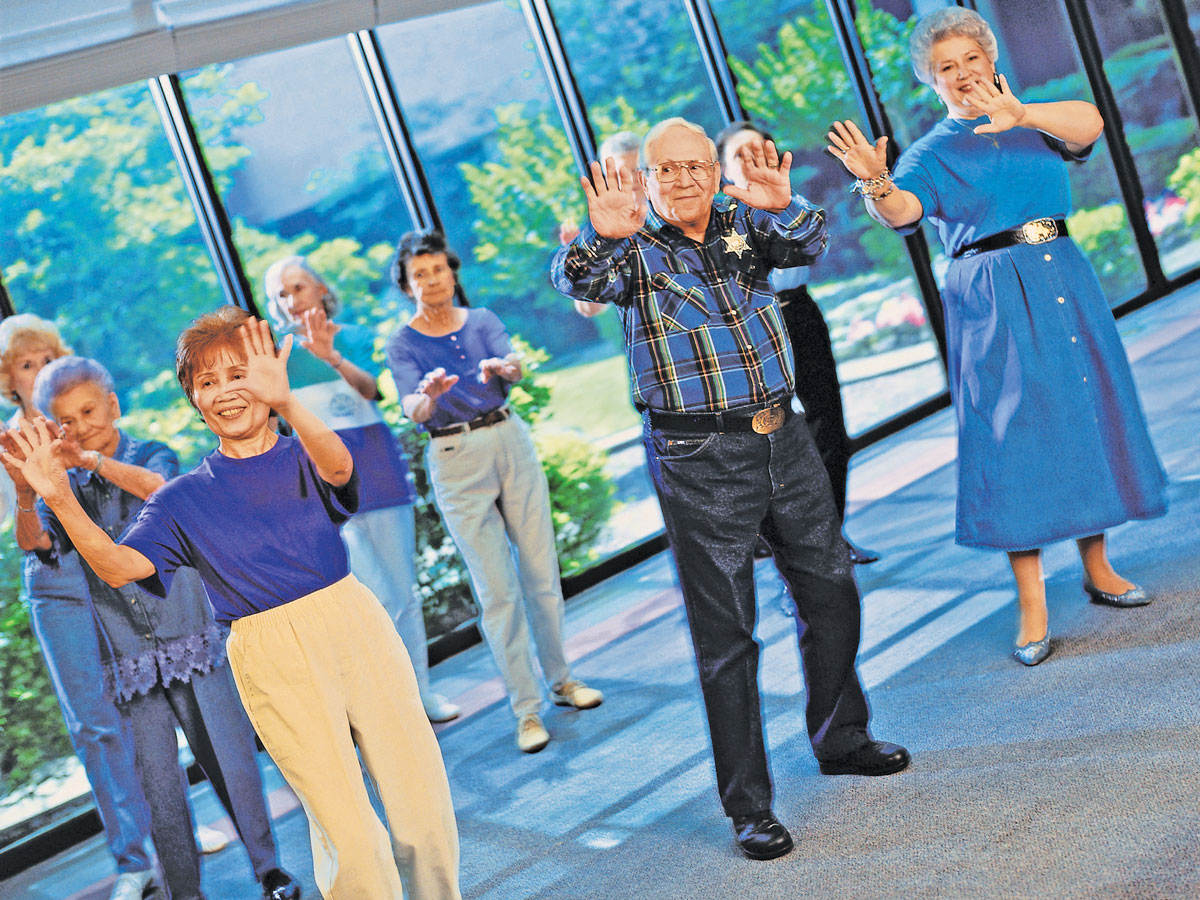
- Methodist Healthcare, the largest health care provider in San Antonio, offers one of the largest health, wellness and social activities program in the nation! The hallmark of this system’s geriatric program is 55Plus. This program offers complimentary parking at the hospitals, free meal coupons, over 100 merchant discounts, and a wealth of health and wellness programs including line dancing, BreathWalking, stretch and tone, courses on finances, social events including the only 55Plus line dancing cruise offered in the US, and much, much more. And there’s no charge to join.
- Podiatry (care of the feet and ankles) is a growing specialty in San Antonio and many seniors today avail themselves of bunion surgery, regular corn and callus removal, and care to prevent foot complications from poor circulation brought on by diabetes and circulatory disorders.
- Regional hospitals, such as Guadalupe Valley Hospital in Seguin, Wilson Memorial Hospital in Floresville, and McKenna Health System in New Braunfels, maintain home health services and wellness centers dedicated to rehabilitation, fitness and occupational therapy, and home health services.
Access, both physical and economic, to the region’s world-class care, is the only barrier for area seniors. Those with the ability to pay can access anything they need. Individuals with a limited income must be smart shoppers or get by on less care than their wealthier contemporaries.
Medicare eligibility begins at age 65. “Full Retirement Age” is a point in time between age 66 and 67, depending on your birth year. Regardless of your Full Retirement Age, your Retirement benefit payment will be higher the longer you wait to apply, up to age 70. Visit the Social Security web site at https://www.ssa.gov/ for more information on retirement ages.
Medicaid assistance is a joint state and federally funded program, with the federal government providing the majority of the funding. It serves as a safety net for specific low-income populations, including seniors (aged 65+), the blind, and people with permanent disabilities. Additionally, coverage is available for children, pregnant women, and extremely low-income parents or caretakers.
Economic access is aided by programs such as the San Antonio Metropolitan Health District, which continues to provide low-cost immunizations for flu, pneumonia, and other illnesses critical to senior health. Local religious congregations and community nonprofits remain vital; for example, Meals on Wheels San Antonio (formerly Christian Senior Services) delivers hot meals to homebound residents and operates the Grace Place Alzheimer’s activity centers. The Barshop Jewish Community Center of San Antonio offers a robust schedule of senior classes and affordable kosher meal programs open to the entire community. The Area Agency on Aging of Bexar County, managed by AACOG, serves as a primary hub for assistance with nutrition, legal support, and no-cost transportation. Additionally, Boerne and Hill Country residents continue to benefit from the Health and Wholeness Center, a ministry of the Benedictine Sisters, which offers fitness and spirit-focused programs for those 50 and older.
Prevention and health maintenance are growing areas of interest, especially among seniors and their caregivers. Dr. Paunovich notes about her older dental patients, “When patients come for their first visit, I ask them to bring all of the medications they take so that we can get a better picture of their health status and not prescribe anything that conflicts with what they’re already taking,” she said. “One man brought in a whole grocery bag full of prescriptions, vitamins, herbs and other things and dumped them on the desk. People are self-medicating quite a bit these days.”
In addition to formal wellness programs, seniors have access to many “common sense” community resources. Malls encourage walkers and visitors to find distances marked out in several areas of malls to let them know how far they’ve walked. Most area schools allow walkers on their jogging tracks after hours. Many new neighborhoods include bike trails and walking paths for their residents. Some San Antonio parks include public swimming pools, and Olympic-sized pools are accessible by the public at the Northside Aquatics Center and several private fitness centers.
A wide variety of so-called alternative medicine, including acupuncture for pain relief and other purposes, massage therapy, naturopathy and other techniques are available in the area from practitioners licensed by the State of Texas.
Senior News, a long-standing monthly publication based in Waco and tailored for the San Antonio area, provides comprehensive coverage on healthy aging, local community events, and wellness tips. While the print edition remains available free of charge at high-traffic locations such as senior centers, libraries, and healthcare clinics throughout the region, the publication has expanded its digital presence to include e-editions and email newsletters. For those preferring the traditional experience, home delivery is available via a paid annual subscription, which can be managed through their official website or by contacting their circulation department in Waco.
“Retirement” Homes and Nursing Homes
At the recent count, there were 30 independent living communities in the metropolitan area, 114 assisted living facilities, 58 nursing homes, and 24 memory care units. Detailed evaluations of these facilities are available on the Medicare website at www.medicare.gov
Costs vary widely, as do evaluations. Lifestyles run the gamut from lavish high-rises with mini malls and water aerobics to licensed homes that open their doors to several residents for room and board and limited health care services. Facilities offer a range of care from independent living to 24-hour nursing care. In addition to private companies, some retirement communities are partially supported by the military and by religious orders.
A variety of in-home services is also available, including both health care and non-medical care such as transportation, grocery shopping, and meal preparation. These providers range from national agencies, such as Superior Home Health and Kelly Home Care, to numerous independent regional services.
Mike Lawrence has written and published widely, focusing primarily on science and health.