
By Michael Lawrence
Your chances of having to stay overnight in a hospital in San Antonio or the surrounding area have gone down dramatically in recent years. Those odds have less to do with your state of health than with economics. There is a growing trend among health care providers across the nation to treat more and more conditions on an “outpatient” or “ambulatory” basis.
According to health economists, including San Antonio’s Dr. Antonio Furino, the trend is obvious. “The capacity and profitability of hospitals have been decreasing, due to their expensive infrastructure and nursing and other personnel shortages,” he says. For that reason, some of the hospitals themselves are leading the trend towards increasing outpatient care. Outpatient procedures, when possible, are easier on the wallet and often on the patient and health care team.
Treatment Options
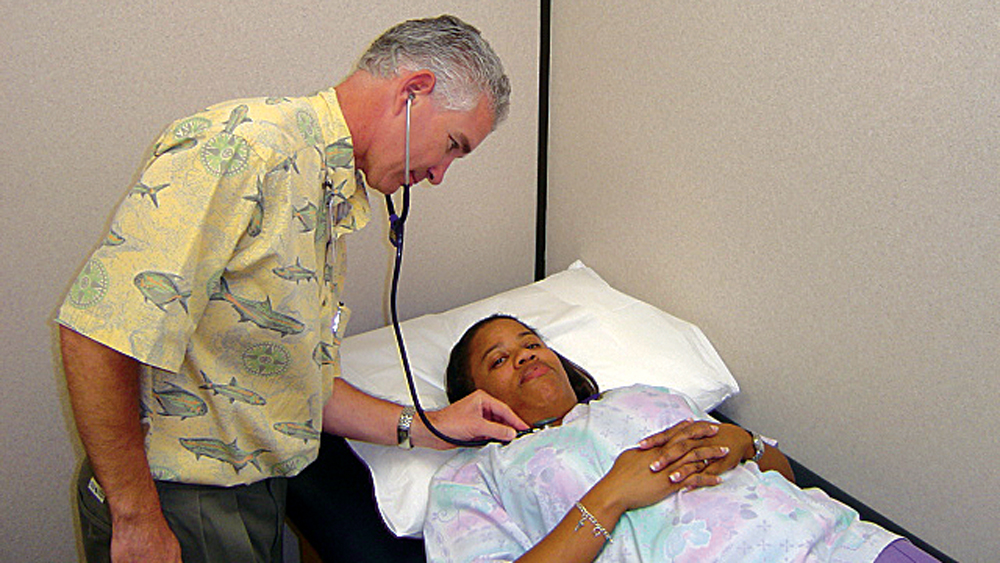
Outpatient procedures are wide ranging, from diagnostic tests and minor procedures to cancer therapies to surgical procedures requiring general anesthesia. All ages are candidates for these one-day procedures.
For non-surgical procedures, there are numerous private and subsidized neighborhood clinics supervised by physicians. These range from health department clinics to hospital outreach facilities to private medical groups. In addition, minor emergency clinics and other walk-in facilities are springing up across the San Antonio area and accept patients with no appointments necessary. These clinics appeal to a variety of lifestyles, ranging from individuals who don’t have the time to wait for an appointment with their family physician, to those who do not even have a family physician.
Procedures that have long been handled on an outpatient basis, such as podiatry, dermatology, and many ear, nose and throat procedures, have been joined in the outpatient arena by hernia repair, laser eye surgery for cataracts or other vision problems, hand and other orthopedic surgeries, cosmetic, reconstructive and plastic surgery, gynecological and urological procedures, and dental surgery. Depending on your personal level of health, many of these procedures can now be accomplished in time for you to go home by nightfall.
Hospitals are Leading the Way
San Antonio and surrounding communities are home to dozens of traditional and top flight civilian and military hospitals, and these pillars of the health care system are vital to the region’s well being. Rising hospital and health insurance costs, however, are driving a move to more “outpatient surgery” or “day surgery” and other outpatient procedures requiring only a few hours in the hospital or clinic.
For example, Methodist Healthcare, San Antonio’s largest health care provider serving San Antonio and South Texas, has the highest concentration of outpatient services located in five Ambulatory Surgery Centers in the city’s South Texas Medical Center as well as in downtown San Antonio, North Central, Northwest and Northeast San Antonio. Some of the most common procedures offered on an outpatient basis include pain management, gynecological surgery, gastrointestinal procedures, orthopedic and joint surgery, plastic surgery and ophthalmology. Other outpatient services include the largest array of diagnostic imaging services, rehabilitation services, community outreach programs, three neighborhood family health clinics, and over a dozen pediatric outpatient support clinics.
Other major area hospital systems have also developed strong outpatient services. CHRISTUS Santa Rosa Ambulatory Surgery Center in the South Texas Medical Center offers “day surgery” including plastic surgery, hand, foot and eye, as well as ear, nose, and throat surgeries and biopsies. Located adjacent to CHRISTUS Santa Rosa Hospital downtown, the David Christopher Goldsbury Center for Children and Families is a five-story, multi-million dollar facility offering outpatient primary care for adults and children, as well as pediatric specialty and subspecialty services. Additionally, CHRISTUS Santa Rosa Outpatient Rehabilitation Centers are located at both CHRISTUS Santa Rosa Hospital locations — downtown and in the Medical Center. Their team of rehabilitation professionals provides comprehensive outpatient rehabilitation services for children and adults, including diagnostic evaluations and therapies.
Baptist Healthcare System offers a variety of outpatient services at its five hospitals and two HealthLink locations in the region. Included are orthopedics and sports medicine, spine and hand rehabilitation, aquatic and neurological rehabilitation, vestibular and balance therapy, pediatrics, wound care, speech and swallowing, industrial rehab and other therapies.
Hospitals in outlying communities are also increasing their outpatient care. McKenna Health System in New Braunfels, for example, includes many outpatient services ranging from home care to cardiopulmonary, lab work, imaging and sports fitness and rehabilitation. Outpatient surgery is usually done at the Ambulatory Surgical Center and includes laser eye surgery, gastrointestinal surgeries and others.
Guadalupe Valley Hospital in Seguin offers a wide array of outpatient surgery and other care including a pain clinic, imaging, social services and home health. Their new Wellness Center offers rehabilitation services, treatment for chemical dependency, a fitness center, and classes in stress reduction, marital and parenting skills, and other topics.
San Antonio’s Cancer Therapy and Research Center (CTRC) has offered outpatient procedures, such as chemotherapy and radiation therapy and brachytherapy (implantation of small radioactive pellets in the body) for many years. Recently, the CTRC dedicated the new H-E-B Ambulatory Surgery Center with two procedure rooms and three operating rooms for outpatient procedures ranging from colonoscopy, esophagoduodenoscopy, bronchoscopy, and cystoscopy to brachytherapy for lung or prostate cancer, placement of devices for delivering drugs into the body, such as a Mediport, Hickman catheter, or biopsies; or endoscopic ultrasound, to detect tiny cancerous lesions that don’t show on other scans. Outpatients are treated at CTRC in the South Texas Medical Center (site of the HEB Center), or at CTRC Sonterra on the north side or CTRC at Santa Rosa.
Among many other outpatient facilities in the area is the San Antonio Orthopedic Group, offering joint surgery and replacement, sports medicine treatment, spinal procedures, foot, ankle, hand, elbow, and other repairs and therapies. Affiliated Therapies, Inc. is providing outpatient rehabilitation services at the TexSAn Heart Hospital of San Antonio and also has plans for an independent rehabilitation center in San Antonio later this year. Many other clinics offer outpatient therapy for pain, varicose veins, renal dialysis, diabetes care and other specialty care.
Recovery-High tech meets low tech
If your outpatient procedure involves surgery with anesthesia, recovery time in the clinic may vary. You will probably spend at least a few minutes in a recovery area, based on the type of procedure performed and your response to the anesthetic. Nurses and physicians will release you when they believe you are ready to go home. Any outpatient surgery can evolve into the need for a night of medical monitoring, and it is possible that even though unplanned, your visit may extend overnight to allow the physician to make sure you are stabilized.
When these outpatient surgeries are finished, and patients are armed with instructions for what to do at home, they must still rely on the old-fashioned friend and relative network. For example, your procedure may be over quickly, but you may be in no condition to drive yourself home and there are still no shortcuts to recuperation. If you have no one to drive you home or check on you, the outpatient clinic personnel can usually help arrange taxis or other transportation, or help you to prearrange a home health care worker to escort you or follow up and make sure you do not have any complications from your procedure.
Baby Boomers
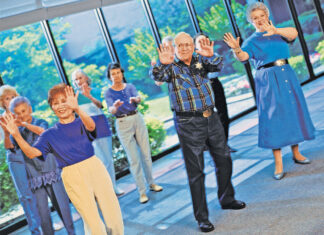
The increasing population in general, and the swell in individuals who are in the so-called Baby Boom generation born between 1946 and 1964, who now range in age from 60 to 80, are also driving demand for quicker, easier health care. Baby boomers have high expectations and are used to “having it all.” They are unwilling to settle for decrepitude and seek help anywhere they can find it, including alternative therapies, wellness and fitness centers, spas and outpatient clinics. It’s not unusual now to find someone paying for a quick massage, checking their own blood pressure, or attending a wellness fair at the grocery store or their neighborhood mall. Health maintenance is a big interest among the growing and aging population, and outpatient care is a natural outgrowth of that demand.
Move it or Lose It
Another factor driving the patient demand for outpatient procedures as well as the physician embrace of the concept, is that the body is a dynamic system and is designed to heal itself in many ways. The most important part of the cure may be to “move it or lose it.” Lying in a hospital bed is an unnatural condition. Without trips to the bathroom or the kitchen or the back yard, much less more strenuous exercise, the body tends to grow weaker and shut down. A few decades ago, patients who suffered a heart attack were uniformly advised to remain as motionless as possible, sometimes for weeks and months. Now, many heart attack patients are encouraged to get up and walk around as soon as possible and begin to add more exercise than they ever did before they got sick. Mothers who have just delivered babies these days are most often sent home after only a day or two, instead of the week or ten days that was common some years back.
Perhaps the famous words of architect and designer Mies van der Rohe, who was referring to design when he said it, can be applied to health care: “Less is more.” Outpatient care embraces that philosophy.