
Seguin proudly stands on its own as one of South Central Texas’ most distinctive cities. Its rich history, strong industries and Guadalupe River setting create a lifestyle with plenty of hometown character. About 30 miles east of San Antonio, the Guadalupe County seat offers an established downtown, local schools and healthcare, and direct access to Interstate 10.
Seguin is a regional center where people can work, study, shop, receive medical care and enjoy a lively calendar of local events. San Antonio and New Braunfels are conveniently close, while State Highway 130 adds a useful north-south connection toward the Austin area.
Seguin at a glance
- Location: East of San Antonio on Interstate 10, with connections through State Highway 46 and State Highway 130.
- Known for: The Guadalupe River, historic downtown, pecan traditions, Texas history and an expanding manufacturing economy.
- Lifestyle: A mix of established neighborhoods, new subdivisions, rural-edge properties and a walkable historic center.
- Good fit for: Families, commuters, local employees, retirees and buyers who want a smaller-city setting with substantial services.
History and character
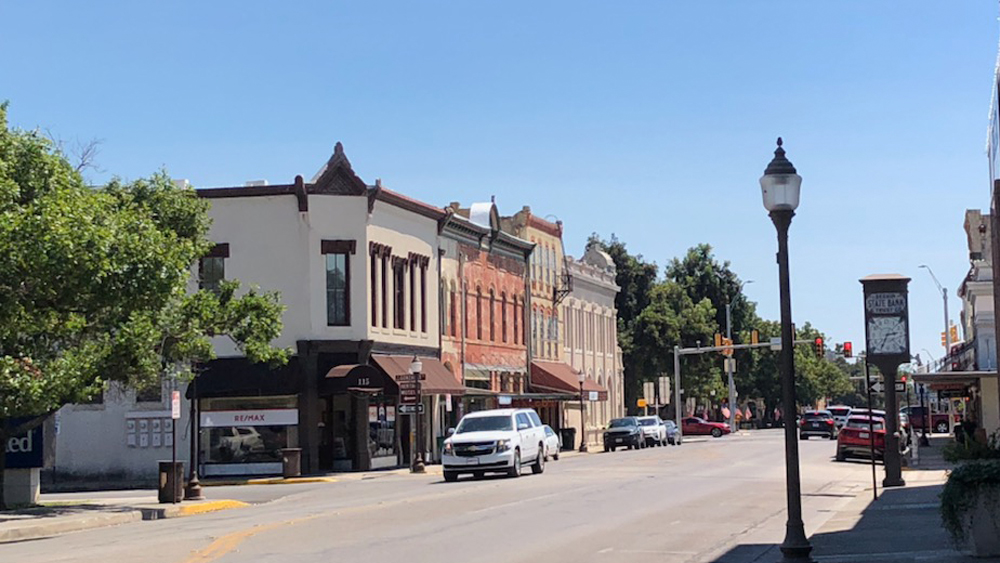
Founded in 1838 and named for Tejano leader Juan Seguin, the city carries its history in a way visitors can still see. Downtown includes early hand-pressed brick buildings, civic landmarks and locally owned storefronts. Historic homes, museums and sites such as Sebastopol House add depth beyond a quick stop along the highway.
Seguin also has a playful public identity tied to pecans, including its famous oversized pecan landmarks and annual Pecan Fest. Texas history and an approachable hometown personality come together here to give the city a character all its own.
Arts culture and community traditions
Art shows up throughout Seguin in music, murals, sculpture and colorful public spaces. The Seguin Commission on the Arts supports local artists, art venues and public-art projects, while the Walnut Springs Cultural Arts District adds another creative dimension to the historic downtown area.
One of the most enjoyable ways to explore the city is the Seguin Squirrel Trail, a collection of brightly painted squirrel sculptures found around town. Visitors can also discover downtown murals, the Juan Seguin statue in Central Park, and sculpture displays at Texas Lutheran University. Festivals, performances and seasonal events keep the arts connected to everyday community life. Explore more through Visit Seguin’s Arts and Culture guide.
Things to do in Seguin
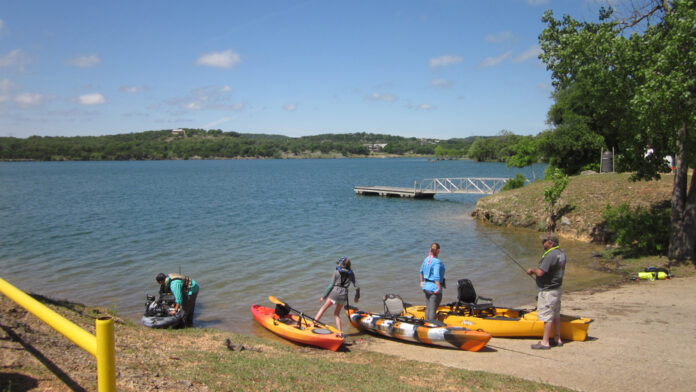
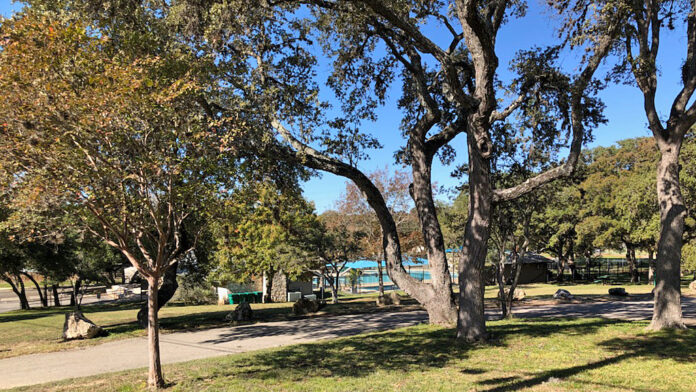
The Guadalupe River shapes much of Seguin’s outdoor life. Residents can picnic near the water, paddle, fish or spend time at river-oriented parks and recreation businesses. Max Starcke Park is one of the city’s major gathering places, while Walnut Springs Park and its trail provide a quieter connection between downtown and nature.
History and culture are also easy to build into a weekend. Visitors can explore downtown, the Seguin Heritage Museum, historic properties and local art, then look for community programming at Texas Lutheran University or the city’s event venues. Annual traditions include the Fourth of July celebration, the Guadalupe County Fair and Rodeo, Pecan Fest and the Holiday Stroll.
Food shopping and everyday services
Seguin’s dining scene ranges from barbecue and Tex-Mex to homestyle restaurants, international choices, coffee shops and casual gathering spots. Downtown is the best place to combine a meal with local shopping, architecture and an event. Breweries, a winery and a distillery broaden the options for an evening out.
Residents enjoy a growing selection of grocery, retail and professional services, with even more commercial development arriving near the interstate and State Highway 46. At the same time, the historic center continues to support Seguin’s character and thriving small-business community.
Parks river life and recreation
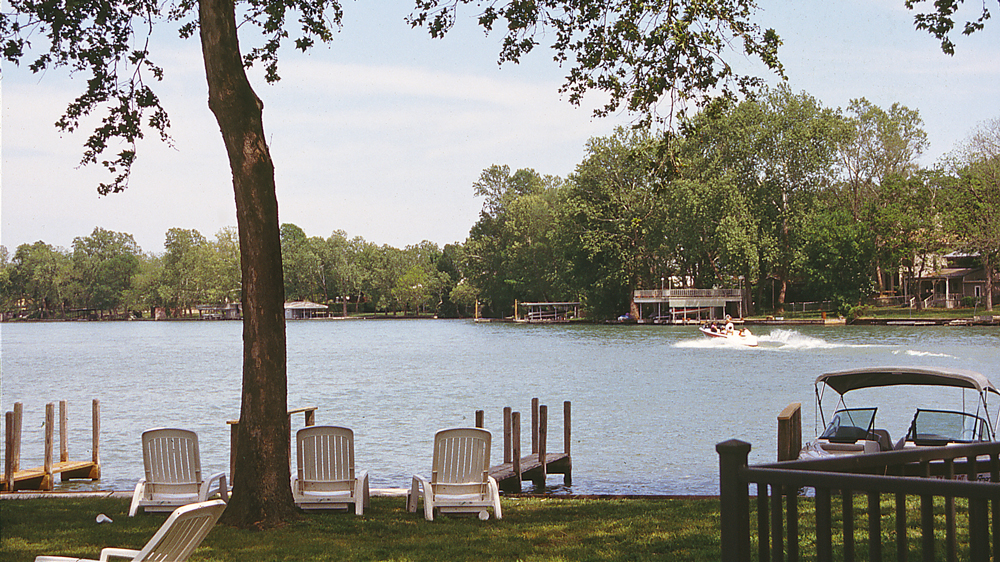
Seguin’s parks are more than an amenity list; they are part of the city’s identity. The river corridor supports boating, kayaking and relaxed days near the water, while city facilities add golf, sports fields, playgrounds, trails and picnic areas. Recreation options range from everyday neighborhood outings to destination-style water experiences at Lake Placid and nearby creeks.
Housing and neighborhoods
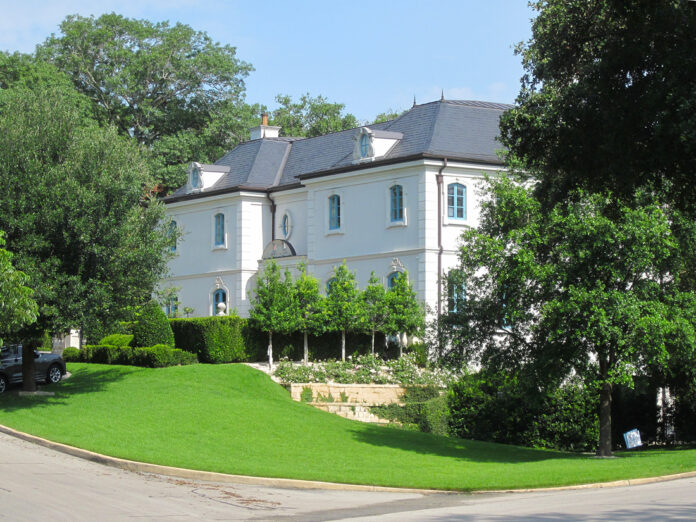
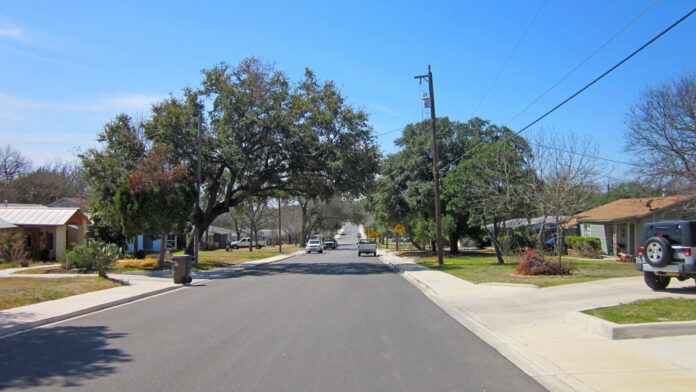
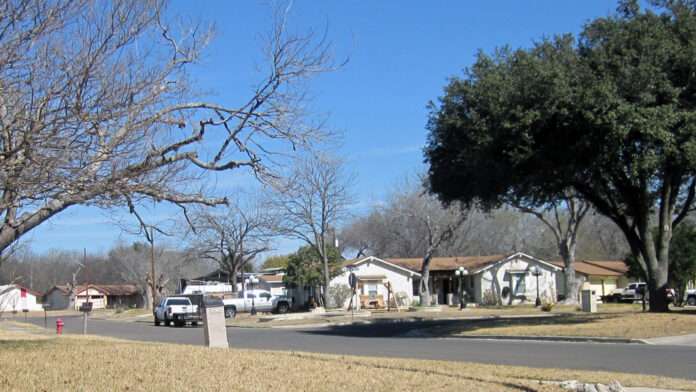
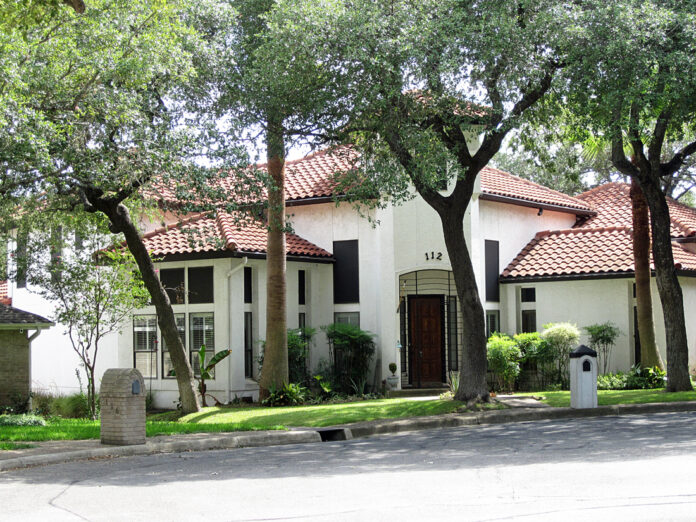
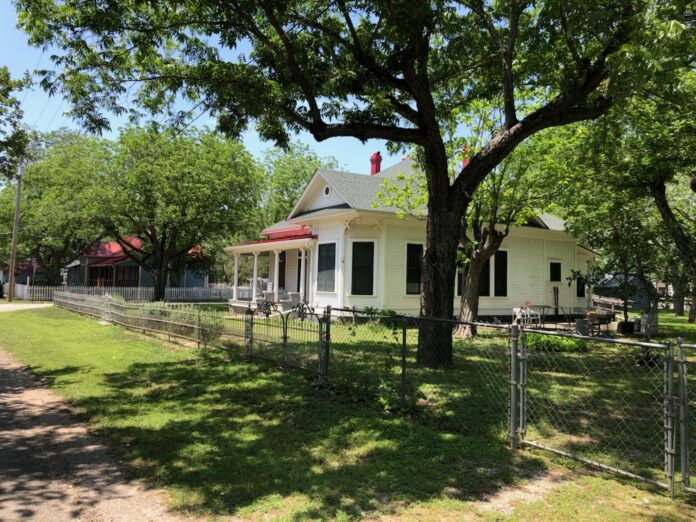
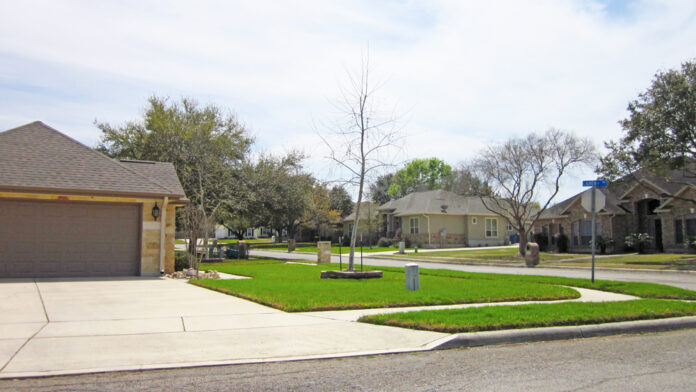
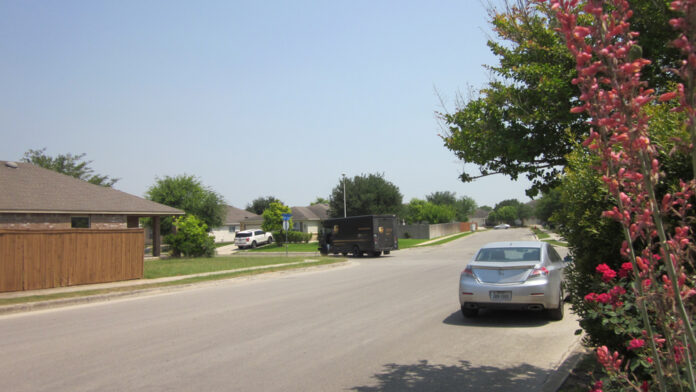
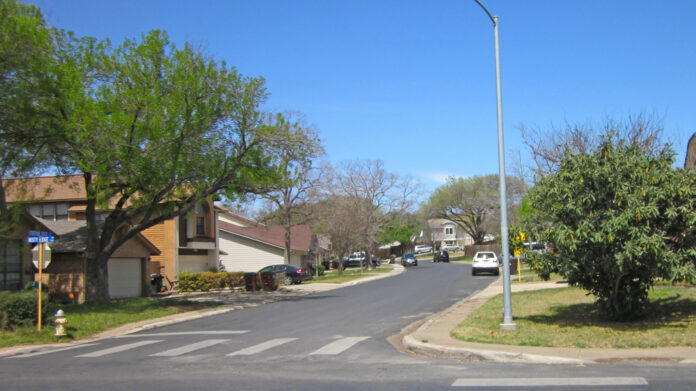
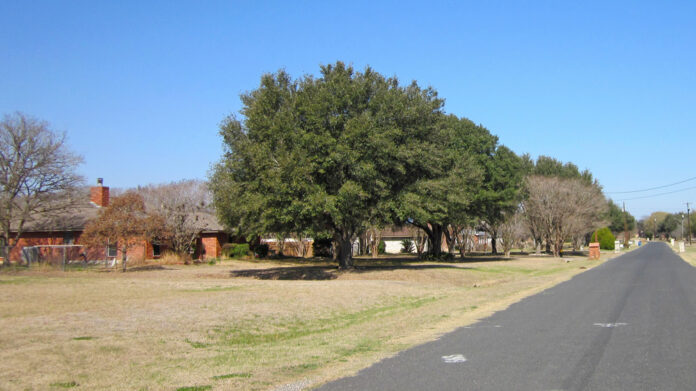
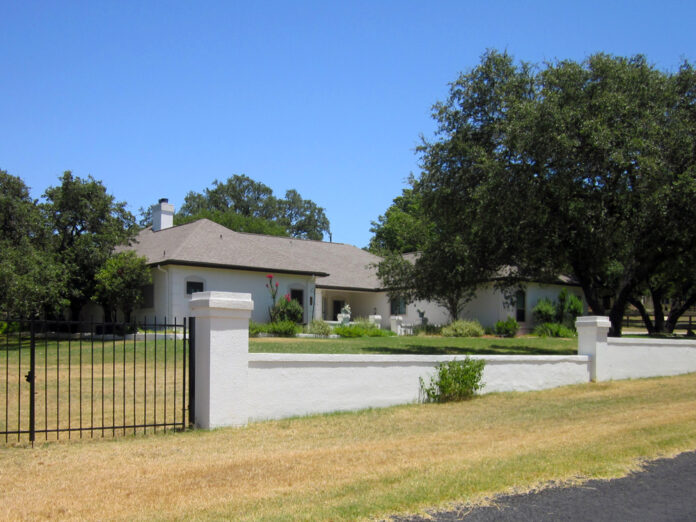
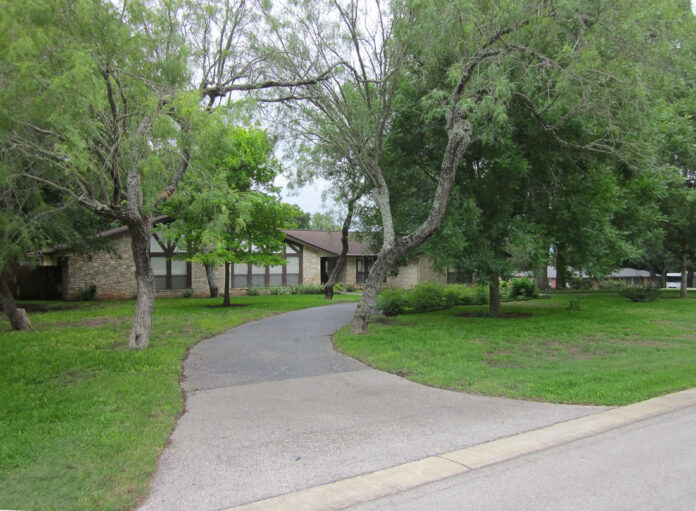
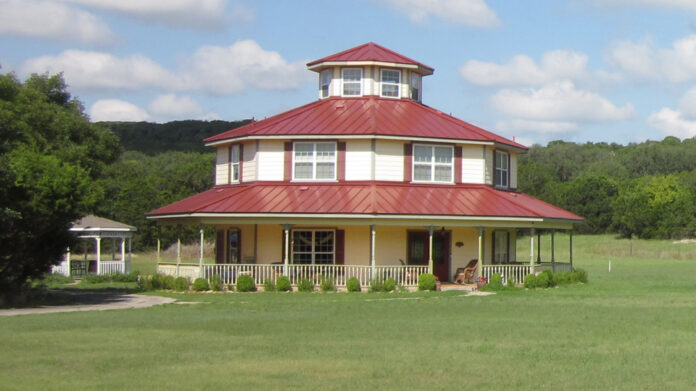
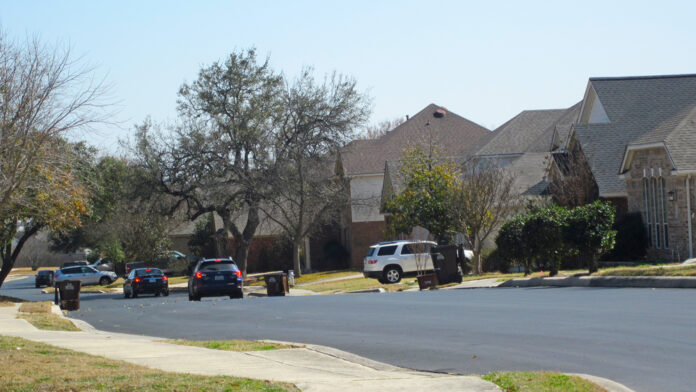
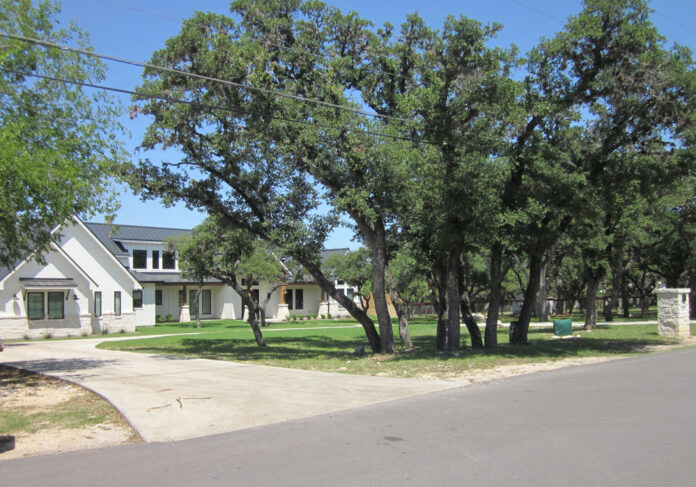
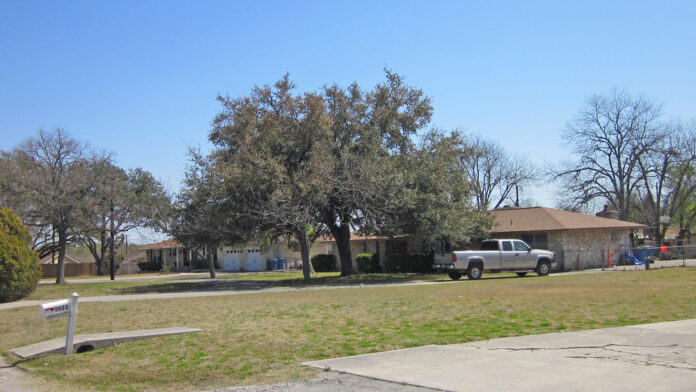
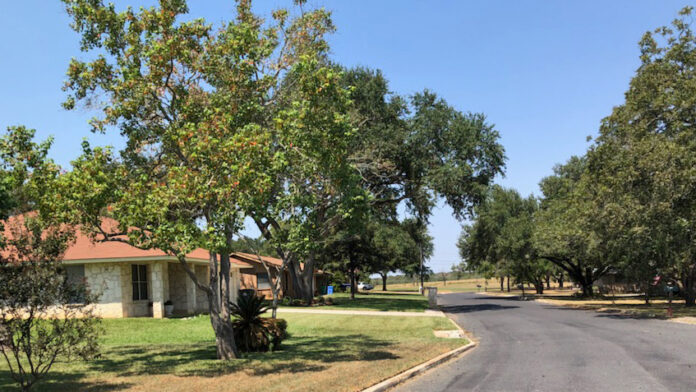
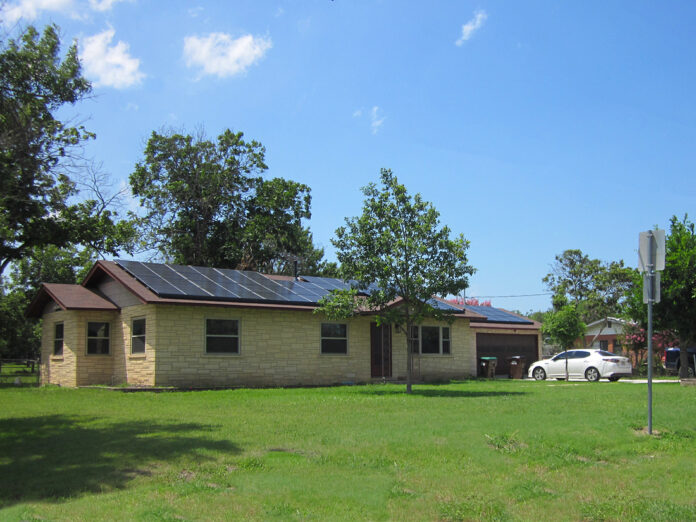
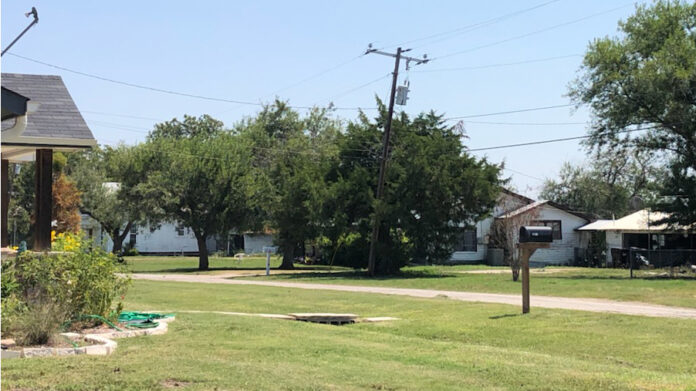
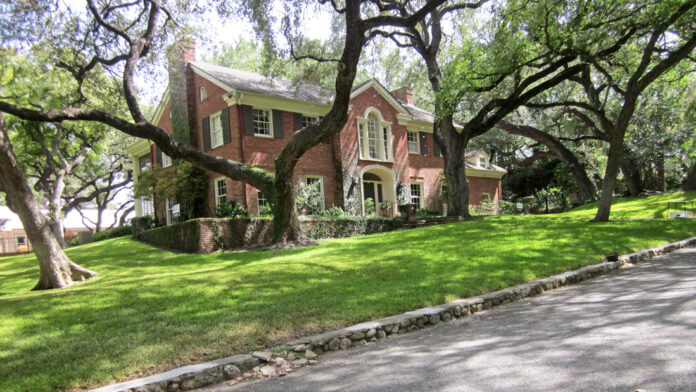
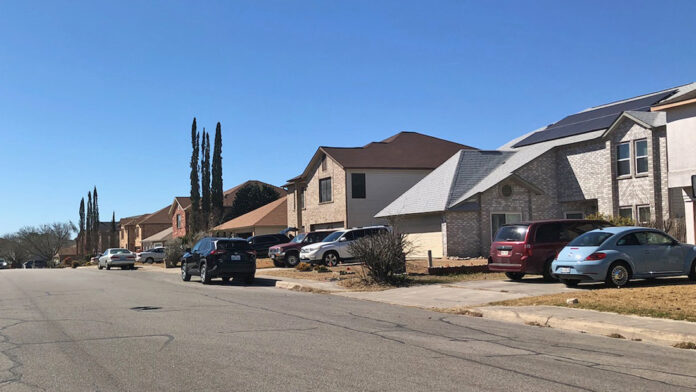
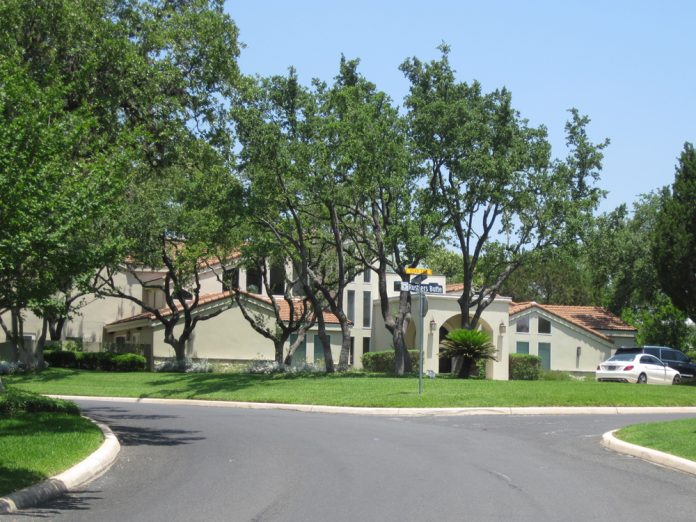
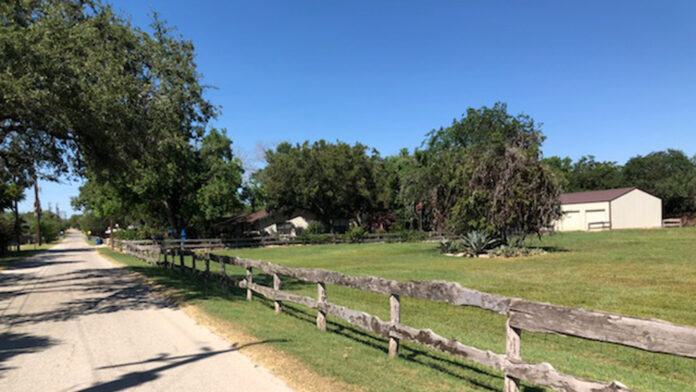
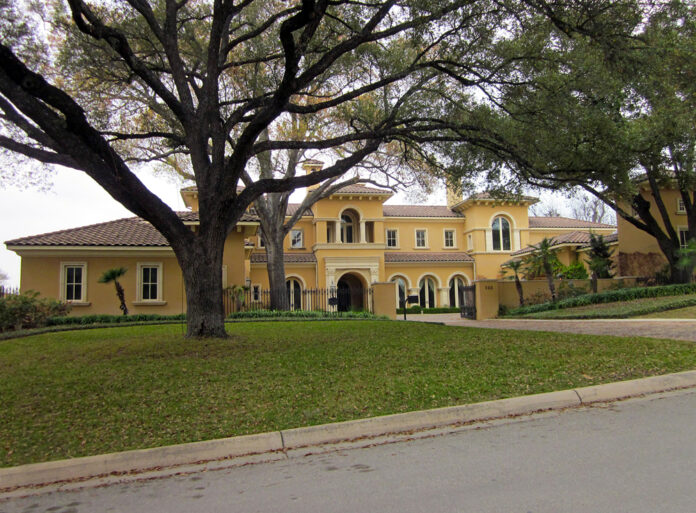
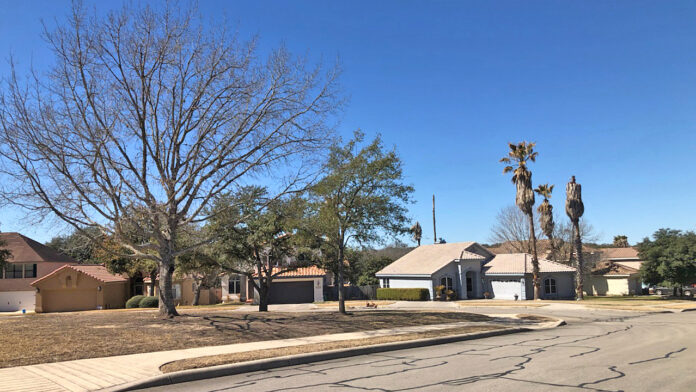
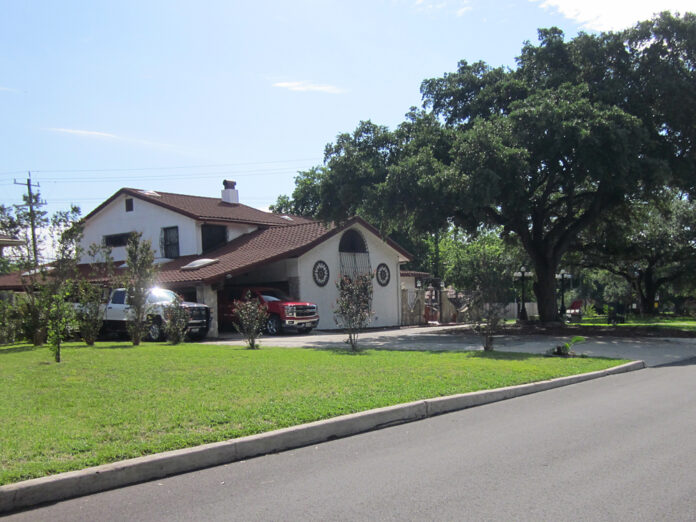
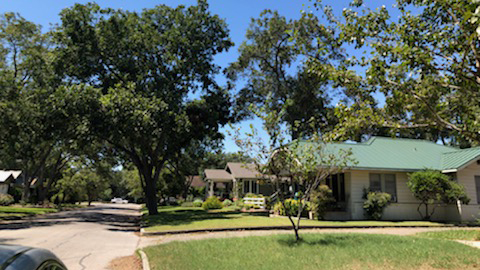
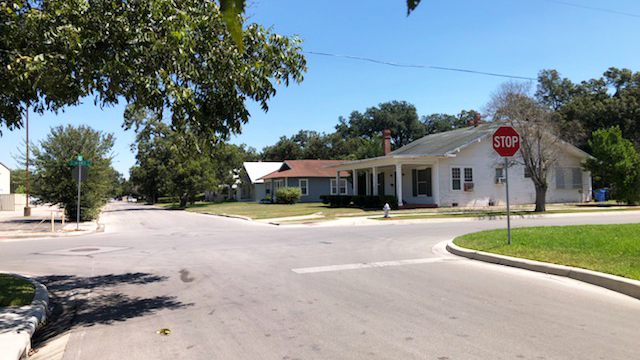
Housing in Seguin reflects several eras of growth, from older homes near the center of town and postwar neighborhoods to newer subdivisions along major corridors and acreage or semi-rural properties outside the core. This range supports households seeking historic character, a newer floor plan, convenient I-10 access, proximity to schools or more land.
Seguin’s continued growth is bringing new neighborhoods, services and opportunities to different parts of the city. Homebuyers can explore everything from historic neighborhoods near downtown to newer communities, river-area properties and homes with a more spacious country feel.
Schools and higher education
Most local public-school households will look first at Seguin Independent School District or Navarro Independent School District, depending on the address. Seguin Independent School District provides the city’s principal public-school system, with Navarro Independent School District serving portions of the broader Seguin area.
Texas Lutheran University gives Seguin a four-year university presence and contributes athletics, performances, lectures and community activity. Families considering the wider region may also find Metro’s guide to education in the San Antonio metro area useful.
Healthcare
Guadalupe Regional Medical Center provides a major local healthcare anchor, supported by physician practices, outpatient services and other providers. Residents benefit from convenient care close to home, along with access to the extensive medical resources of nearby San Antonio. For a regional overview, see healthcare in San Antonio and the surrounding area.
Jobs and commuting
Manufacturing is central to Seguin’s economy, joined by healthcare, education, government, retail, construction and services. Interstate 10 supports freight, commuting and commercial development, while State Highway 130 improves regional access. Seguin’s strong local employment base is complemented by convenient connections to San Antonio, New Braunfels, San Marcos and the Austin area.
Seguin’s highway connections make it easy to reach employment, shopping and recreation throughout the region. Readers planning a move can also consult Metro’s guides to transportation and local services and moving to the San Antonio metro area.
Nearby communities
Seguin sits within an east-and-northeast network of growing communities. New Braunfels is northwest along State Highway 46, while Marion, McQueeney, Geronimo and Kingsbury offer different combinations of small-town and rural living. San Antonio lies to the west on I-10, and State Highway 130 connects north toward the San Marcos and Austin corridors.
Why people choose Seguin
People choose Seguin for the older homes and historic streets, the growing job market, local schools and the pleasure of living near the Guadalupe River. New neighborhoods, stores and services are adding fresh energy throughout the city. Through it all, Seguin continues to celebrate the history and hometown character that make it such an appealing place to live.
Population and demographics
- Estimated population: 33,754
- Median age: 37.1 years
- Households: 12,483
- Average household size: 2.6 people
Income and housing snapshot
- Median household income: $64,861
- Per capita income: $33,633
- Median value of owner-occupied homes: $249,400
- Median gross rent: $1,187 per month
- Owner-occupied housing rate: 65%
Source: U.S. Census Bureau, 2020–2024 American Community Survey five-year estimates.